Table of Contents
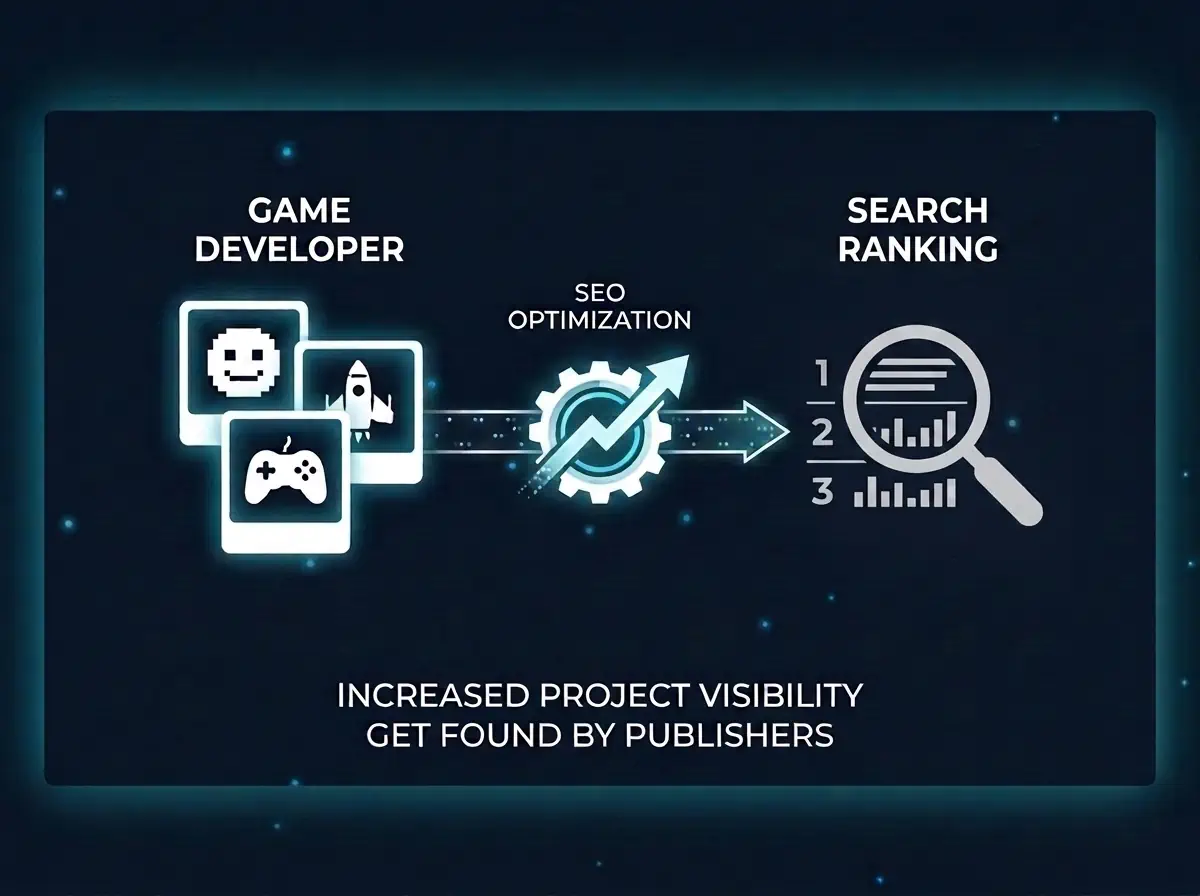
The gaming industry is more competitive than ever. With thousands of indie games released every year, standing out from the crowd is a challenge. That’s where game developer SEO comes in. Search Engine Optimization (SEO) isn’t just for blogs and e-commerce stores—it’s a powerful tool for game developers too.
Whether you’re launching your first indie game or looking to boost visibility for an existing title, SEO can help you reach a wider audience. In this guide, we’ll break down everything you need to know about SEO for game developers, from keyword research to technical optimization. By the end, you’ll have actionable strategies to improve your game’s discoverability and attract more players.
PPlayez understands the struggles of indie developers. That’s why we’ve compiled this comprehensive guide to help you navigate the world of SEO and give your game the attention it deserves.
Why SEO Matters for Game Developers
SEO isn’t just about ranking higher on Google. For game developers, it’s about:
- Increasing visibility in a crowded market.
- Driving organic traffic to your game’s website or store page.
- Building a community around your game before and after launch.
- Boosting conversions by reaching players who are actively searching for games like yours.
Unlike paid ads, SEO provides long-term benefits. Once you rank for relevant keywords, you can continue to attract players without ongoing ad spend.
Understanding the Basics of Game Developer SEO
What Is SEO?
SEO, or Search Engine Optimization, is the process of improving your website or content to rank higher in search engine results. For game developers, this means optimizing your game’s landing page, blog posts, social media profiles, and even your Steam or itch.io store page.
How Does SEO Work for Games?
Search engines like Google use algorithms to determine which content is most relevant to a user’s query. For games, this could mean ranking for keywords like:
- “Best indie RPG games 2026”
- “How to market an indie game”
- “Top strategy games for PC”
By optimizing your content for these keywords, you increase the chances of your game appearing in search results.
Step 1: Keyword Research for Game Developers
Keyword research is the foundation of any SEO strategy. It helps you understand what your target audience is searching for and how you can tailor your content to meet their needs.
How to Find the Right Keywords
- Brainstorm Seed Keywords: Start with broad terms related to your game. For example, if you’re developing a sci-fi shooter, your seed keywords might include “sci-fi games,” “space shooter,” or “indie FPS.”
- Use Keyword Research Tools: Tools like Google Keyword Planner, Ahrefs, or Ubersuggest can help you find related keywords and their search volumes. Look for keywords with high search volume but low competition.
- Analyze Competitors: Check out the websites and store pages of successful indie games in your genre. What keywords are they ranking for? Use tools like SEMrush to analyze their top-performing keywords.
- Focus on Long-Tail Keywords: These are longer, more specific phrases that players might search for. For example, “best indie sci-fi shooter for PC” is a long-tail keyword. While they have lower search volumes, they often convert better because they’re more targeted.
Example Keywords for Game Developers
| Category | Example Keywords |
| Game Genre | “Best indie RPG games,” “Top strategy games 2026” |
| Game Features | “Multiplayer indie games,” “Games with crafting systems” |
| Platform | “Best PC indie games,” “Mobile games for Android” |
| Game Development | “How to market an indie game,” “Game dev SEO tips” |
Step 2: On-Page SEO for Game Developers
On-page SEO refers to the optimizations you make directly on your website or store page. Here’s how to do it effectively:
Optimize Your Game’s Landing Page
Your game’s landing page is often the first impression players will have of your game. Make sure it’s optimized for both users and search engines:
- Title Tag: Include your primary keyword in the title tag. For example, “Echoes of the Void – Best Indie Sci-Fi Shooter for PC.”
- Meta Description: Write a compelling meta description that includes your primary keyword. This appears in search results and can influence click-through rates.
- Header Tags: Use H1, H2, and H3 tags to structure your content. Your H1 should include your primary keyword, while H2s and H3s can include secondary keywords.
- URL Structure: Keep your URLs short and descriptive. For example, yourwebsite.com/echoes-of-the-void is better than yourwebsite.com/game123.
Create High-Quality Content
Content is king in SEO. For game developers, this means:
- Game Description: Write a detailed and engaging description of your game. Highlight its unique features, storyline, and gameplay mechanics. Use your primary and secondary keywords naturally throughout the text.
- Blog Posts: Start a blog on your website where you share updates, behind-the-scenes content, and articles related to your game. For example, you could write about “The Making of Echoes of the Void” or “Top 5 Indie Games to Watch in 2026.”
- Screenshots and Videos: Visual content is crucial for games. Include high-quality screenshots and trailers on your landing page. Optimize image file names and alt text with keywords (e.g., echoes-of-the-void-screenshot.jpg).
Internal Linking
Internal linking helps search engines understand the structure of your website and keeps players engaged. Link to relevant pages within your site, such as:
- Your game’s store page
- Blog posts about game development
- Social media profiles
- Press kits or media pages
Step 3: Technical SEO for Game Developers
Technical SEO ensures that search engines can crawl and index your website effectively. Here are the key areas to focus on:
Mobile-Friendliness
With more players browsing and purchasing games on mobile devices, your website must be mobile-friendly. Use Google’s Mobile-Friendly Test to check your site and make necessary adjustments.
Page Speed
Slow-loading pages can hurt your rankings and user experience. Use tools like Google PageSpeed Insights to analyze your site’s speed and get recommendations for improvement. Compress images, leverage browser caching, and minimize JavaScript to speed up your site.
Secure Your Website
Security is a ranking factor for Google. Ensure your website uses HTTPS rather than HTTP. This not only boosts your SEO but also builds trust with your audience.
Structured Data
Structured data helps search engines understand the content of your website. For game developers, you can use schema markup to provide details about your game, such as its name, description, release date, and platform. This can enhance your search listings with rich snippets, making them more appealing to users.
Step 4: Off-Page SEO for Game Developers
Off-page SEO involves actions taken outside of your own website to impact your rankings. Here’s how to build a strong off-page SEO strategy:
Build Backlinks
Backlinks are links from other websites to yours. They’re one of the most important ranking factors in SEO. Here’s how to earn backlinks for your game:
- Guest Blogging: Write guest posts for gaming blogs or websites. Include a link back to your game’s website in your author bio or within the content.
- Press Releases: Distribute press releases about your game’s launch, updates, or milestones. Websites that pick up your press release may link back to your site.
- Influencer Outreach: Partner with gaming influencers and YouTubers. If they feature your game in their content, they may include a link to your website or store page.
- Indie Game Directories: Submit your game to indie game directories and forums. These sites often provide backlinks and can drive targeted traffic to your game.
Leverage Social Media
While social media signals don’t directly impact SEO, they can amplify your content and drive traffic to your website. Share updates, trailers, and blog posts on platforms like Twitter, Facebook, Instagram, and TikTok. Engage with your audience and encourage them to share your content.
Engage with the Gaming Community
Building a community around your game can boost your SEO efforts. Here’s how:
- Forums and Reddit: Participate in gaming forums like Reddit’s r/IndieDev or r/Games. Share your game’s progress and engage with potential players.
- Discord: Create a Discord server for your game. This can help you build a loyal fanbase and drive traffic to your website.
- Steam Community: If your game is on Steam, engage with the Steam community. Share updates, respond to reviews, and participate in discussions.
Step 5: Local SEO for Game Developers
If you’re targeting a local audience or attending gaming events, local SEO can help you connect with players in your area.
Optimize for Local Searches
- Google My Business: Create a Google My Business listing for your studio. This can help you appear in local search results and on Google Maps.
- Local Keywords: Include local keywords in your content, such as “indie game studio in [Your City]” or “[Your City] game developers.”
- Event Listings: If you’re attending or hosting gaming events, list them on local event websites and forums.
Step 6: Measuring and Improving Your SEO Performance
SEO is an ongoing process. To ensure your efforts are paying off, you need to track and analyze your performance.
Tools to Track SEO Performance
- Google Analytics: Track your website’s traffic, user behavior, and conversions. Set up goals to measure specific actions, such as game downloads or newsletter sign-ups.
- Google Search Console: Monitor your website’s presence in Google search results. Use it to track your rankings, identify crawl errors, and submit your sitemap.
- Ahrefs/SEMrush: These tools provide in-depth insights into your backlinks, keyword rankings, and competitor analysis.
Key Metrics to Monitor
- Organic Traffic: The number of visitors coming to your site from search engines.
- Bounce Rate: The percentage of visitors who leave your site after viewing only one page. A high bounce rate may indicate that your content isn’t engaging or relevant.
- Conversion Rate: The percentage of visitors who take a desired action, such as downloading your game or signing up for your newsletter.
- Keyword Rankings: Track your rankings for target keywords to see how your SEO efforts are impacting your visibility.
Adjusting Your Strategy
SEO is not a set-it-and-forget-it strategy. Regularly review your performance data and adjust your strategy as needed. For example:
- If a particular keyword isn’t performing well, consider updating your content or targeting a different keyword.
- If your bounce rate is high, improve your content’s quality and relevance.
- If your backlink profile is weak, focus on building more high-quality backlinks.
Common SEO Mistakes Game Developers Make
Even with the best intentions, it’s easy to make mistakes in SEO. Here are some common pitfalls to avoid:
- Keyword Stuffing: Overloading your content with keywords can make it sound unnatural and may result in penalties from search engines. Use keywords naturally and focus on creating high-quality content.
- Ignoring Mobile Users: With more players using mobile devices, ignoring mobile optimization can hurt your rankings and user experience.
- Neglecting Technical SEO: Technical issues like slow page speed or broken links can negatively impact your SEO. Regularly audit your site for technical issues.
- Not Using Analytics: Without tracking your performance, you won’t know what’s working and what’s not. Use analytics tools to measure your SEO efforts and make data-driven decisions.
- Focusing Only on Google: While Google is the most popular search engine, don’t forget about other platforms like Bing or YouTube. Optimize your content for multiple search engines to reach a wider audience.
Case Study: Successful SEO for an Indie Game
Let’s look at a real-world example of how SEO helped an indie game gain visibility and attract more players.
Game: “Stardew Valley”
While “Stardew Valley” didn’t rely solely on SEO for its success, its developer, Eric Barone (ConcernedApe), used several SEO-friendly strategies:
- Detailed Game Description: The game’s Steam page includes a thorough and engaging description, which helps it rank for keywords like “farming simulation game” and “indie RPG.”
- Regular Updates: Barone consistently updated the game with new content, keeping players engaged and attracting new ones through fresh content.
- Community Engagement: The game’s strong community on Reddit, Discord, and other platforms helped build backlinks and drive organic traffic.
- Press Coverage: “Stardew Valley” received extensive press coverage, which contributed to its backlink profile and search visibility.
As a result, “Stardew Valley” continues to rank highly in search results for relevant keywords, driving steady organic traffic to its store page.
The Future of SEO for Game Developers
SEO is constantly evolving, and game developers need to stay ahead of the curve. Here are some trends to watch in 2026 and beyond:
- Voice Search: With the rise of voice assistants like Siri and Alexa, optimizing for voice search is becoming increasingly important. Focus on long-tail keywords and natural language in your content.
- Video Content: Video is a powerful tool for engaging players. Optimize your game trailers and videos for platforms like YouTube to improve your search visibility.
- AI and Machine Learning: Search engines are using AI and machine learning to better understand user intent. Focus on creating high-quality, relevant content that meets the needs of your audience.
- User Experience (UX): Google’s algorithms are increasingly prioritizing user experience. Ensure your website is fast, mobile-friendly, and easy to navigate.
Conclusion
SEO is a game-changer for indie developers. By implementing the strategies outlined in this guide, you can improve your game’s visibility, attract more players, and build a loyal community around your title. Remember, SEO is a long-term investment. It takes time and effort, but the payoff is well worth it.
Start by conducting keyword research and optimizing your game’s landing page. Then, focus on building high-quality backlinks and engaging with your audience. Regularly track your performance and adjust your strategy as needed.
At PPlayez, we’re passionate about helping indie developers succeed. By leveraging the power of game developer SEO, you can give your game the best chance of standing out in a competitive market.
Frequently Asked Questions (FAQs)
1. What is the most important aspect of SEO for game developers?
The most important aspect of SEO for game developers is keyword research. Understanding what your target audience is searching for allows you to tailor your content to meet their needs and improve your rankings.
2. How long does it take to see results from SEO?
SEO is a long-term strategy. It can take several months to start seeing significant results, depending on factors like competition, keyword difficulty, and the quality of your content. Consistency is key—keep optimizing and creating high-quality content to see the best results.
3. Do I need a website for my game to rank on Google?
While it’s possible to rank without a dedicated website (e.g., through a Steam store page), having a website gives you more control over your SEO efforts. A website allows you to publish blog posts, share updates, and build backlinks, all of which can improve your rankings.
4. How can I improve my game’s visibility on Steam?
To improve your game’s visibility on Steam:
– Optimize your game’s title, description, and tags with relevant keywords.
– Encourage players to leave positive reviews.
– Share updates and engage with the Steam community.
– Use high-quality screenshots and trailers to showcase your game.
5. Is SEO worth the effort for indie game developers?
Absolutely. SEO provides a cost-effective way to attract organic traffic and build a community around your game. While it requires time and effort, the long-term benefits make it a worthwhile investment for indie developers.