Table of Contents
A white label games provider should do more than help a gaming business launch quickly; it should provide the game content, branding control, payment options, back-office tools, security, support, and scalability needed to operate efficiently and grow over time.
Choosing a white label games provider can help a gaming brand enter the market without building a full platform from scratch. It can save development time and give businesses access to ready-made technology.
But a fast launch does not always mean the right setup.
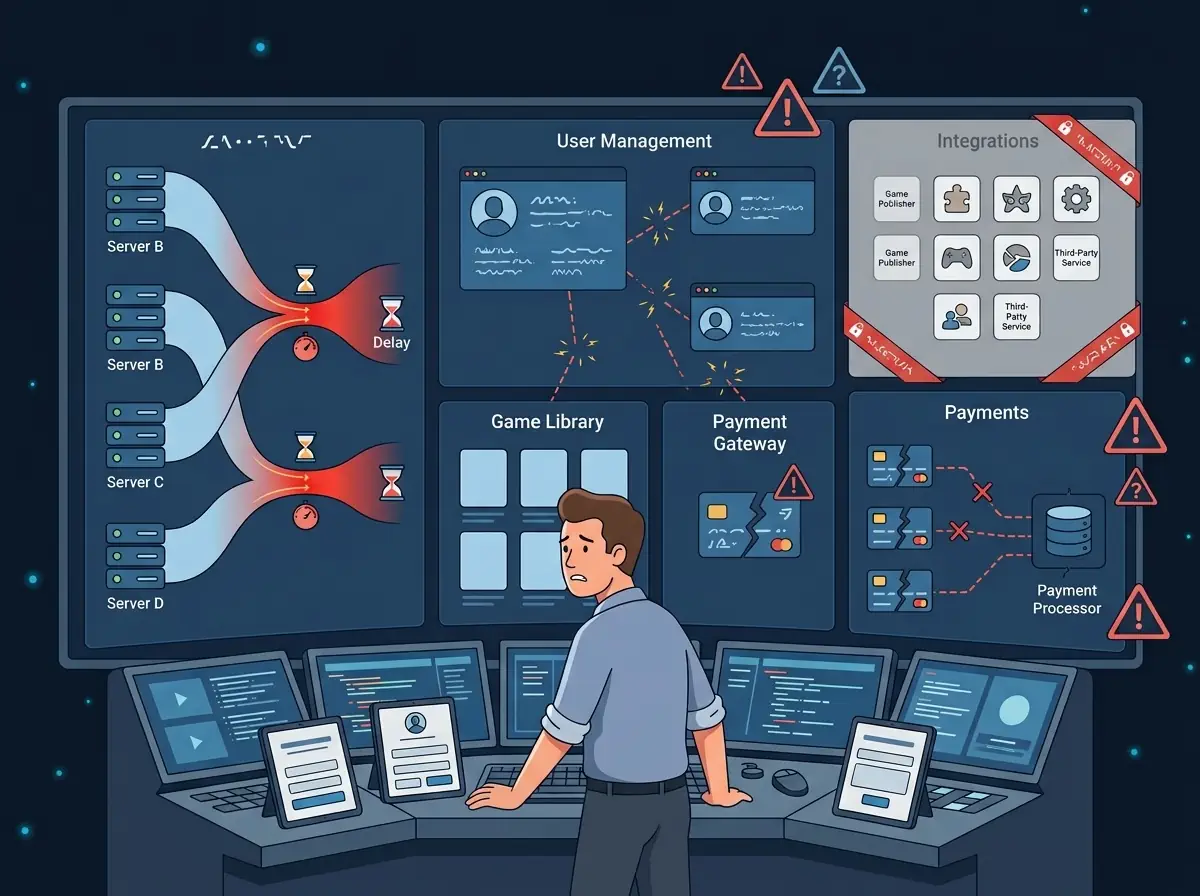
A platform can look attractive during the sales process and still create problems later with game content, payments, branding, support, security, or growth. These issues can affect both daily operations and the player experience.
Before choosing a provider, look beyond the launch date and price. The right platform should fit your business model, target market, operational needs, and long-term plans.
What Is a White Label Games Provider?
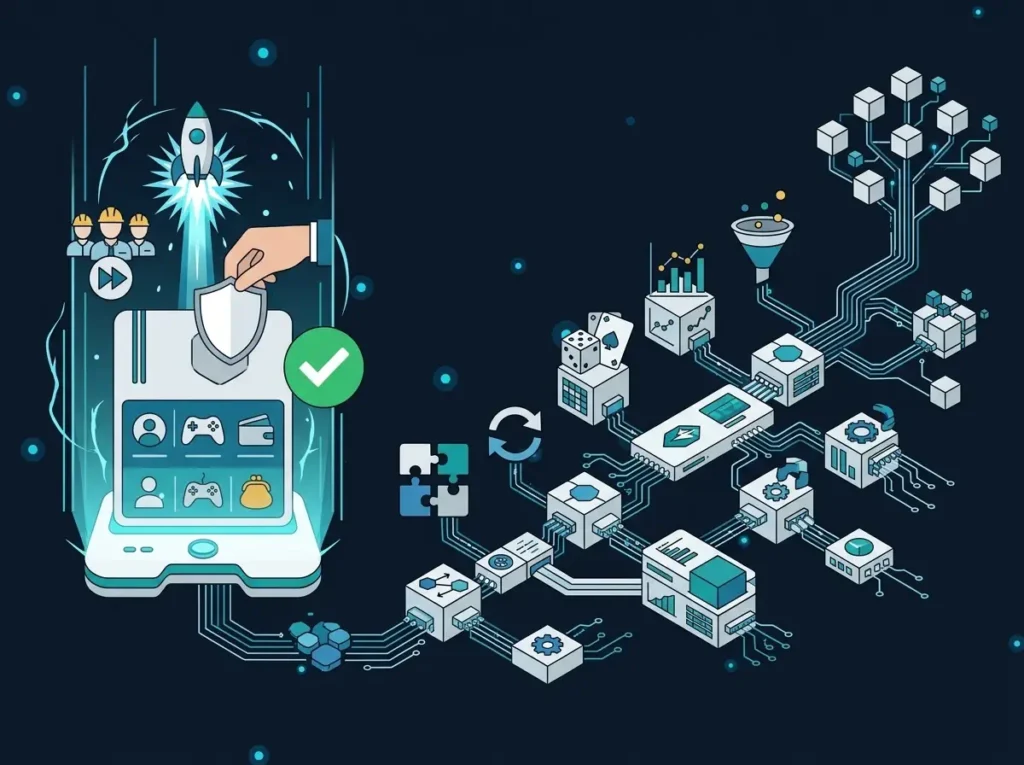
A white label games Provider is a ready-made gaming solution that businesses can use under their own brand.
Instead of developing the technology, back-office tools, and other core systems from the ground up, a business works with a platform provider. The provider manages much of the technology while the business focuses on its brand, marketing, players, and operations.
Depending on the provider, a platform may include:
- Game integrations
- Player account management
- Payment options
- Back-office tools
- Reporting features
- Website or front-end systems
- Security features
- Customer support tools
The features included can differ widely between providers. This makes careful comparison important before making a decision.
Why the Wrong Setup Can Become a Problem
A platform may meet your needs at launch but become difficult to manage as your business grows.
This often happens when businesses focus too much on upfront cost or launch speed. A solution may appear affordable but have limits on customization, integrations, support, or future upgrades.
A poor platform choice can lead to:
- Higher operating costs
- Limited game options
- Slow technical changes
- Weak branding control
- Payment limitations
- Poor reporting
- Difficult integrations
- More work for your internal team
These problems may not appear immediately.
The real test is whether the platform can support your business after launch, not just help you get online.
Do Not Choose Based on Launch Speed Alone
One of the biggest reasons businesses consider white label solutions is speed.
Building a complete gaming platform can require development, testing, integrations, maintenance, and technical resources. A ready-made solution can reduce some of this work.
However, speed should only be one part of the decision.
A platform that launches quickly may still be difficult to customize or expand. If your team needs new integrations later, you could face extra costs or delays.
Before choosing a provider, ask:
- How long does setup normally take?
- What is included in the launch?
- Which features are ready to use?
- Which features require additional work?
- How are future updates handled?
A quick launch has value only when the platform can support your next stage of growth.
Check the Game Content First
Game content is a major part of the player experience.
Before choosing a platform, understand how games are sourced and integrated. Review the available providers and game types to make sure they fit your target audience and business model.
Ask About Game Integrations
Find out whether the platform supports the game providers you need and whether new providers can be added later.
Also check how game updates are handled.
A platform with limited content options may restrict your ability to improve the player experience as your business develops.
The goal is not simply to have a large number of games. You need suitable content that matches your audience and operating plans.
Make Sure Your Brand Stays Yours
A white label solution should still give you control over your brand identity.
Your website design, messaging, navigation, and player experience should reflect your business. If customization is too limited, your brand may have difficulty standing out.
Review Customization Options
Before signing an agreement, ask how much control you have over:
- Website design
- Brand elements
- Domain setup
- Content
- Promotions
- Navigation
- Player communications
Some providers offer more flexibility than others.
If building a recognizable brand is important to your strategy, branding and customization should be reviewed before you choose a platform, not after launch.
Review Payment Features Carefully
Payment systems are another important part of platform selection.
Players need suitable deposit and withdrawal options. Your business also needs payment systems that work with your target markets and operating requirements.
Do not assume that every payment method is available with every provider.
Check the Payment Setup
Review:
- Supported payment methods
- Supported currencies
- Transaction processes
- Withdrawal procedures
- Verification requirements
- Fees and limits
- Payment-related support
Payment availability can vary by market and provider. Always confirm the actual options available to your business.
A platform should fit your payment needs instead of forcing you to change your business plans around its limitations.
Look Beyond the Front End
A professional website is only one part of a gaming platform.
Your team also needs a reliable back-office system for managing daily operations.
A good admin system should make it easier to manage players, monitor activity, review reports, and handle platform tasks.
Test the Back Office
Ask for a demonstration before committing.
Look at how easily your team can find important information. Review the reporting tools and access controls. Consider whether the system will remain practical as your player base grows.
A platform that looks good to players but is difficult for your team to manage can create unnecessary work.
The back office matters because it affects how efficiently your business operates every day.
Take Security and Compliance Seriously
Security should be part of the platform review from the beginning.
Gaming businesses handle account information and other sensitive data. The platform should have clear information about its security processes and data protection measures.
Compliance is also important.
The rules that apply to gaming businesses can vary based on the market, business model, and type of gaming service. Businesses should understand their responsibilities before launch.
Ask the Provider Direct Questions
Find out:
- What security measures are included?
- How is player data handled?
- What compliance support is provided?
- Which responsibilities remain with your business?
- How are security issues handled?
Do not assume that using a white label provider removes your legal or compliance responsibilities.
Clear answers are important when evaluating a platform and its provider.
Can the Platform Grow With You?
A platform that works for a small launch may not be suitable for a growing business.
Your needs can change as you gain more players, add content, expand marketing, and enter new markets.
Before signing up, think about the future.
Review Scalability
Ask whether the platform can support:
- More players
- More games
- New payment options
- Additional integrations
- Larger marketing campaigns
- More reporting needs
- New business requirements
You should also understand how future changes are priced and delivered.
Do not choose a platform only for the business you have today. Consider what you may need as the business grows.
Compare the Full Cost, Not Just the Price
Price matters, but the cheapest platform may not be the lowest-cost option over time.
A provider may charge separately for customization, integrations, transactions, support, or other services.
Before making a decision, request a clear cost breakdown.
Check These Costs
Review:
- Setup fees
- Monthly platform fees
- Transaction costs
- Integration fees
- Customization costs
- Support fees
- Maintenance costs
- Contract terms
This gives you a clearer picture of the total cost of operating the platform.
A transparent pricing structure makes it easier to plan your budget and avoid unexpected costs.
Where PPlayez Fits Into the Search
Businesses comparing a white label games provider may also consider PPlayez when reviewing gaming technology and platform solutions.
PPlayez operates in the iGaming space and provides solutions designed around the needs of gaming businesses.
However, platform selection should not be based on a brand name alone. Businesses should compare providers based on their own requirements.
That means reviewing technology, game options, branding, payments, support, security, integrations, and scalability.
PPlayez can be included in that comparison for businesses exploring white label gaming solutions. The right fit will depend on the business model, target market, operational requirements, and growth plans.
Questions to Ask Before Choosing
A simple checklist can help you compare providers more clearly.
What Is Included?
Ask for a complete list of included features and services. Make sure you know which features require additional fees.
How Much Control Do I Have?
Understand which parts of the platform you can customize and which parts are fixed.
What Support Is Available?
Find out how technical issues are handled and what level of support is included.
Can the Platform Be Expanded?
Ask how new games, payment methods, integrations, and features can be added later.
What Are My Responsibilities?
Understand what the provider manages and what your business must handle itself.
These questions can help you compare platforms based on business value rather than sales claims.
Choose for the Long Term
A white label games provider can make launching a gaming business more practical. But choosing the right setup requires more than comparing launch times or monthly prices.
Review the complete platform. Look at game content, branding, payments, back-office tools, security, compliance, support, costs, and scalability.
Most importantly, connect the platform to your business goals.
The right setup should not only help you launch. It should give your business a practical foundation for managing players, content, operations, and future growth.
PPlayez can be part of the provider comparison process for businesses exploring white label gaming solutions. Take the time to assess what your business actually needs, then compare providers against those requirements before making a commitment.