Table of Contents
In-game advertising works best when brands combine relevant messaging, appropriate ad formats, and thoughtful timing to respect the player experience, build trust, and turn attention into meaningful engagement and conversions.
In-game advertising gives brands a direct way to reach players while they are engaged with digital entertainment. But getting an ad in front of a player does not mean the player will welcome it.
Some players accept ads as part of free gaming. Others dislike ads that interrupt play, appear too often, or feel unrelated to the game. The difference often comes down to how the ad is placed and how it affects the player experience.
For marketers, understanding these views is key. Effective in-game advertising is not only about getting attention. It is about earning attention without damaging trust or enjoyment.
Do Players Actually Dislike Game Ads?
Players react to ads in different ways. Their response often depends on the game, ad format, timing, and value offered.
Many players accept ads because they help support free games. But ads can quickly become a problem when they interrupt gameplay, appear too often, or feel out of place.
An ad shown during a natural break may be easy to accept. An ad that interrupts an important game moment can cause frustration.
The key point is simple: players do not always dislike ads. They dislike bad ad experiences.
Brands should put the player first when choosing where, when, and how to show an ad.
What Makes Players Notice an Ad?
Getting noticed is only the start. A good ad must be relevant, well-timed, and easy to accept.
Relevance Gets Attention
Players notice ads that match their interests. Audience research helps marketers choose the right message, audience, and placement.
Relevance should also respect privacy. Follow platform rules, privacy laws, and advertising standards when using player data.
Timing Matters
When an ad appears can change how players react. Ads shown during natural breaks are less likely to disrupt gameplay.
Poor timing can frustrate players, even when the ad itself is good.
Too Many Ads Hurt
Seeing the same ad too often can cause ad fatigue. Players may ignore it or connect the brand with a poor experience.
Track ad frequency and refresh creative when needed. The goal is simple: stay visible without becoming annoying.
Which In-Game Ad Formats Do Players Accept?
Different ad formats create different player experiences. The right choice depends on the game, audience, campaign goal, and level of disruption.
Rewarded Ads Give Players a Choice
Rewarded ads let players choose to watch an ad for an in-game benefit. This gives players control and can make ads feel less disruptive.
The reward should be clear, and the ad should be short. A reward cannot fix a poor ad experience.
Native Ads Fit the Game
Native ads place brand messages within the game. When they match the game’s design, they can feel more natural and less distracting.
The goal is to make the ad visible without making the game feel like one long sales pitch.
Video Ads Must Be Timed Well
Video ads can grab attention quickly, but long or poorly timed ads can frustrate players.
Keep videos short, focused, and relevant. Place them at natural breaks to avoid disrupting gameplay.
Why Do Players Ignore Game Ads?
Not every ad gets attention. Players are quick to ignore ads that feel irrelevant, disruptive, repetitive, or untrustworthy.
Ad Feels Irrelevant
If an ad does not match the audience, players have little reason to care. Use audience research to create messages that fit player interests and needs.
Ad Interrupts Gameplay
Players are there to play, not wait for ads. Too many interruptions can cause frustration and hurt the player experience.
Ad Feels Repetitive
Seeing the same ad too often can lead to ad fatigue. Refresh your creativity and test different messages to keep ads from becoming stale.
Message Feels Untrustworthy
Unclear or misleading claims can quickly damage trust. Keep messages clear, accurate, and easy to understand.
For gaming and iGaming, also follow relevant rules for responsible advertising, age limits, privacy, licensing, and market requirements.
Player Experience Should Come First
A successful advertising campaign should not treat players as simple impressions or numbers.
Players are people using a game for entertainment. Their experience can influence how they view the game, the platform, and the brands advertising within it.
Before launching a campaign, marketers should ask:
- Is the ad relevant to the audience?
- Does the placement interrupt gameplay?
- Is the message clear?
- Is the ad shown too often?
- Does the format fit the game?
- Is the campaign following platform and legal requirements?
- Can the campaign’s results be measured?
These questions help shift the focus from simply showing ads to creating better player interactions.
How Can Brands Improve In-Game Advertising?
Better game advertising starts with a clear goal. Decide whether the campaign aims to build awareness, drive engagement, increase installs, or generate registrations and sales.
Choose ad formats and placements that support the goal without disrupting gameplay.
Testing also matters. Compare different messages, formats, placements, and audiences to see what works best.
Do not focus only on impressions. Track meaningful actions such as engagement, video views, installs, registrations, and purchases. These results show whether your ads are driving real value and moving players through the customer journey.
Connect Ads to the Full Player Journey
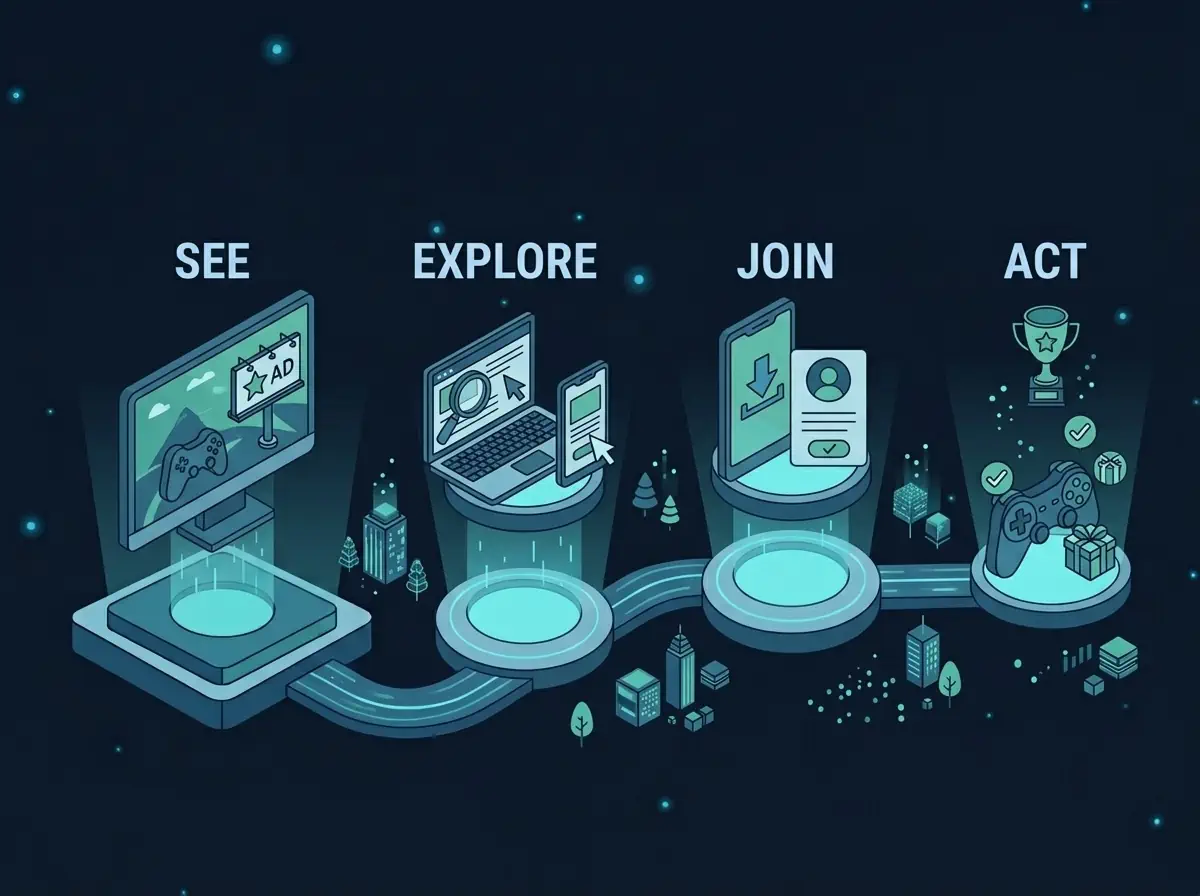
An ad is just the start. After seeing it, players may visit a website, download an app, or sign up.
Every step should match the ad. If the message changes, players may lose interest.
In-game advertising works best when it supports SEO, content, paid media, social media, audience research, and conversion efforts.
PPlayez uses this wider approach to gaming and iGaming marketing, helping brands focus on meaningful player actions, not just ad views.
What Should Marketers Track?
Measuring results shows if your ads are working. Focus on metrics that match your goal, such as engagement, installs, registrations, or purchases.
Do not rely on exposure alone. If players ignore your ads or react poorly, the campaign needs a change.
Review results often, spot trends, and keep testing. Player behavior can change, so your strategy should change with it.
Where Is In-Game Advertising Heading?
Gaming gives brands more ways to reach players, but more ads do not mean better results.
The focus should be on relevance, timing, transparency, and player choice. Ads that respect the gaming experience can build better engagement and trust.
The future of game advertising is not about showing more ads. It is about creating better experiences for players.
Earn Attention, Don’t Force It
Players do not hate all in-game ads. They dislike ads that interrupt play, appear too often, or offer little value.
The key is to understand players first. Use relevant messages, smart timing, the right formats, and clear claims. Track real actions, not just impressions.
When brands respect player attention, ads can feel like part of the game, not a distraction.
The goal is simple: reach players, earn their attention, and give them a reason to engage.
FAQs About In-Game Advertising
What is in-game advertising?
In-game advertising places ads inside video games. Common formats include rewarded ads, banners, native ads, and videos.
Do players like in-game advertising?
It depends. Players often accept relevant ads that do not disrupt gameplay. Too many or poorly timed ads can cause frustration.
What is a rewarded ad?
A rewarded ad lets players choose to watch an ad in exchange for an in-game reward. This gives players more control over the ad experience.
How can brands make game ads less annoying?
Use relevant ads, smart timing, and the right ad format. Avoid showing the same ad too often to reduce ad fatigue.
Why does player experience matter?
A good ad experience can shape how players view both the game and the brand. Ads should respect their time, attention, and enjoyment.
Make Every Game Ad Count
Don’t just show ads. Make them matter. Build an in-game advertising strategy that respects players, targets the right audience, and supports your marketing goals.